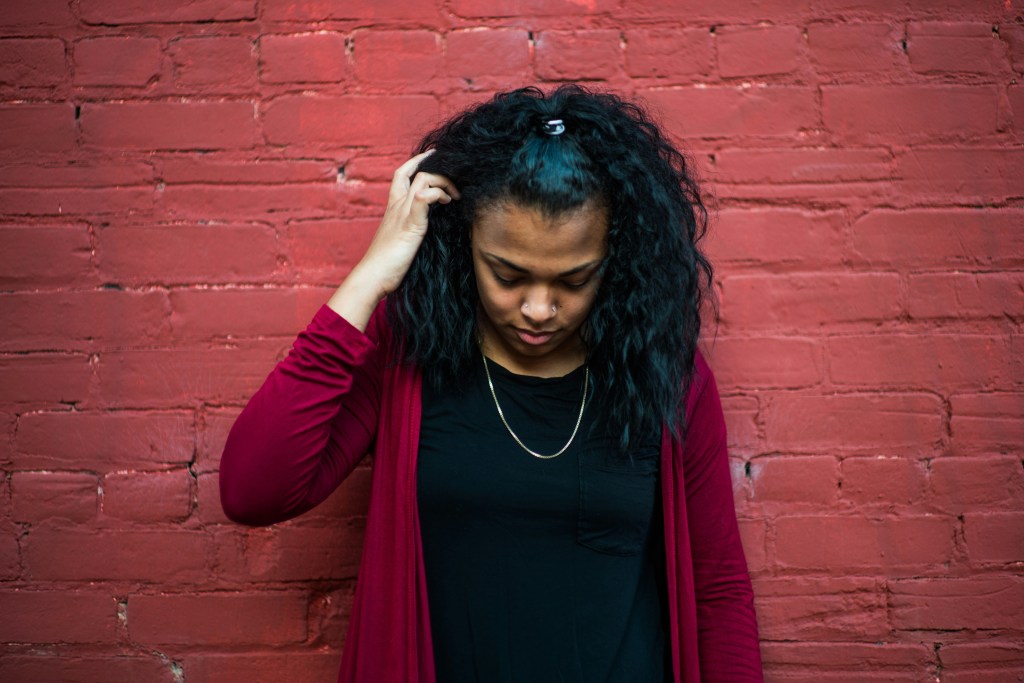
I overshare. It’s a bad habit I recently committed myself to conquering. I figured, if I’m battling with this challenge, some of you might be as well. So, here’s what I was thinking.
In a world where vulnerability is often celebrated and authenticity is currency, it can be easy to confuse oversharing with being real. But there’s a difference between being open and being exposed. For Black women, the habit of oversharing isn’t just personal — it’s historical, societal, and deeply gendered.
Now, let’s unpack that because your peace, safety, and self-worth may depend on it.
What Is Oversharing?
Oversharing is revealing more about your personal life, emotions, struggles, or trauma than is necessary or wise — especially to people who haven’t earned that level of access. For me it feels like letting the air out of the tires. An explosion of sorts, one I almost can’t contain. Someone gives me an opening, and pow! Motor mouth.
It can happen in conversations with coworkers, casual friends, new romantic partners, or even cashiers or service people in stores and on social media. But it’s not honesty. It’s not just telling it like it is. It’s emotional overexposure, and it can leave you feeling drained, vulnerable, and if you spew to the wrong person, misunderstood.
Why Do Black Women Overshare?
Black women are certainly not the only race or gender to overshare. I’d wager it’s an equal opportunity flaw that many people suffer. But our unique position in society does play a role in why we engage in this type of communication.
For instance:
1. We are taught that we must be transparent to be taken seriously. For generations, Black women have had to over-explain, over-justify, and over-perform just to be heard or believed. We learned early that keeping things “professional” or “surface-level” wasn’t always enough. To be seen as human, we often felt pressure to make ourselves emotionally legible to others — especially in mostly white, male, or hierarchical spaces.
That habit? It becomes oversharing.
2. Society tells us we must always be relatable. Black women are often expected to be the strong ones, the funny ones, the ones with the dramatic backstory. There’s a subtle pressure to perform, to keep people entertained, impressed, comfortable or connected. Sometimes that means we reveal too much, too soon, to people who haven’t earned that level of information sharing.
3. We confuse validation with connection. In a culture where likes, shares, and trauma-bonding abound, it’s very easy to fall into the trap of equating vulnerability with intimacy. But sharing deep wounds or personal challenges and worries with people who haven’t proven themselves to be trustworthy doesn’t build connection — it invites harm.
Why Oversharing Is Dangerous
We may not see oversharing as a dangerous practice in the heat of the moment. We’re too busy letting it all hang out! But it can be. Consider, oversharing:
- Gives people power they haven’t earned: Not everyone needs to know your business. Oversharing can invite manipulation, gossip, or judgment from people who don’t have your best interests at heart.
- Undermines boundaries: When you share everything with everyone, it becomes difficult to know where your emotional boundaries begin and end. And if you don’t know, others certainly won’t respect them.
- Delays real healing: Talking isn’t the same as processing. Oversharing can trick us into thinking we’ve healed because we’ve talked about the pain — but in truth, we may just be rehearsing it out loud.
How to Stop Oversharing — And Still Be Authentic
At the end of the day, Black women need someone to talk to. We need to be able to share our concerns, challenges and worries in a safe environment with people who can listen objectively and empathetically. Those people could be friends, family, or professional therapists and the like.
We have to lean in to the idea that oversharing is potentially staticky behavior that we should actively work to change before we reveal too much to the wrong person. So:
1. Ask: “Why am I sharing this?” Before you speak, pause. Are you sharing to connect, or are you hoping to be validated or rescued? Are you trying to fill an awkward silence, or are you revealing something that supports mutual trust? Should you be sharing this information at this time? If you have any doubts, hold your tongue.
2. Keep your circle tight and your inner life sacred. Everyone in your life does not need VIP access to your story, your problems, your anything. Protect your peace like it’s your paycheck — because it kind of is. Sharing privileged information with the wrong person can cost you — and it can cost more than just money. Trust, your reputation, your privacy, those are just a few things that oversharing could potentially jeopardize.
3. Learn the power of silence. Not every moment needs to be filled. Get comfortable with pauses, with “I’m still figuring that out,” and with letting people wonder. Mystery is not the enemy. It’s protection. You deserve to be protected — even from yourself.
4. Heal in private, share with discernment. You can be vulnerable without spilling everything to everyone. Share from your scars, not your open wounds. When you’ve processed your pain or concerns and can speak from a place of wholeness and lessons learned, then it’s no longer oversharing — it’s testimony. Then your story becomes advice, valuable information that can help others, not hurt you.
Real Talk, Doll
You don’t owe anyone your unfiltered truth. You don’t have to explain your pain just to be understood. You’re allowed to have layers, privacy, and discretion — and still be real, warm, and relatable.
Your story is sacred. Tell it with care. Your peace is priceless. Guard it with intention. Your authenticity doesn’t require overexposure. So button it up, dolls.
Be selective. Find the right people to talk too when you need an ear. Discernment is valuable, but you may not find the right sounding board right away. That’s why you should be careful. Don’t put all of your cards on the table until you know exactly who the players are.








Leave a Reply